'%20/%3e%3cg%20stroke='url(%23trail)'%20stroke-width='10'%20stroke-linecap='round'%3e%3cpath%20d='M40%20112%20H104'%20/%3e%3cpath%20d='M40%20136%20H88'%20/%3e%3cpath%20d='M40%20160%20H96'%20/%3e%3c/g%3e%3cpolygon%20points='136,56%20196,90%20136,124%2076,90'%20fill='url(%23cubeTop)'/%3e%3cpolygon%20points='76,90%20136,124%20136,196%2076,162'%20fill='url(%23cubeLeft)'/%3e%3cpolygon%20points='196,90%20136,124%20136,196%20196,162'%20fill='url(%23cubeRight)'/%3e%3cg%20fill='none'%20stroke='%2378F0FF'%20stroke-opacity='0.9'%20stroke-width='2'%3e%3cpolyline%20points='76,90%20136,56%20196,90'%20/%3e%3cpolyline%20points='136,124%20136,56'%20stroke-opacity='0.5'%20/%3e%3c/g%3e%3c/svg%3e)
You don't need a good photo
Before anything is reconstructed, your image is restaged into a clean studio reference: the background is removed, the lighting is evened out, and the side your camera never saw is synthesised. A snapshot on a cluttered desk, a dim phone photo, a mid-game screenshot with the HUD still up — all of it comes out the other side as the same clean reference. So don't spend time on photography. The only question that matters is the one this page answers: what is the subject? PolyMedium detects whether it's an object, a character, or a hand-drawn doodle and runs a different engine for each, and each has its own strengths and limits.
Objects and Props
Mechanical and hard-surface subjects are where the object engine shines: vehicles, tools, furniture, props, products. These are real, unretouched results from the current system.
 The upload
 The 3D model
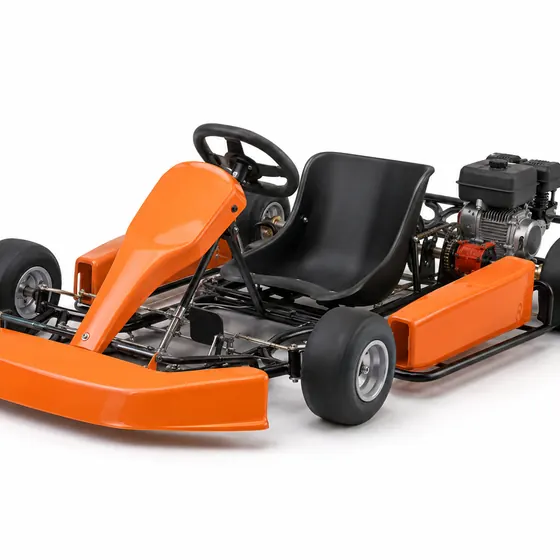
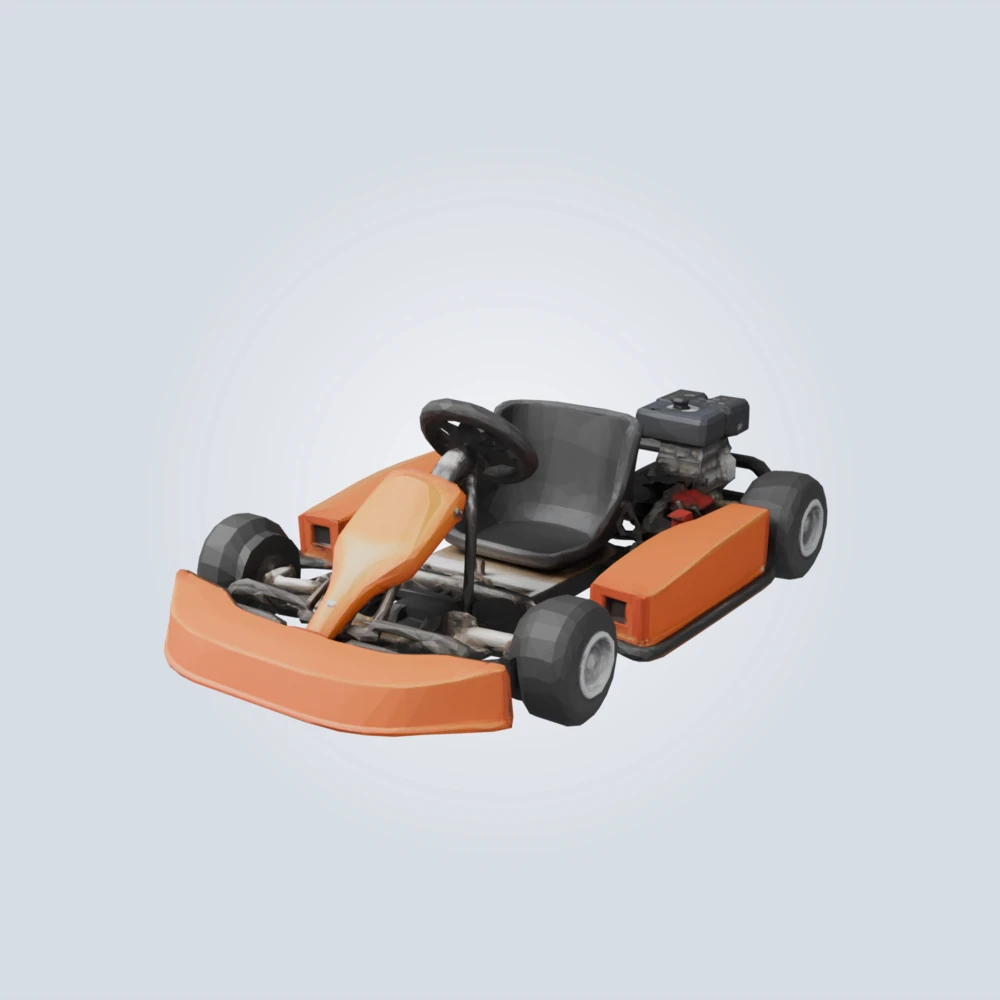
Go-kart
A backyard photo, grass and all. Distinct parts and recognizable structure make vehicles ideal subjects.
 The upload
 The 3D model
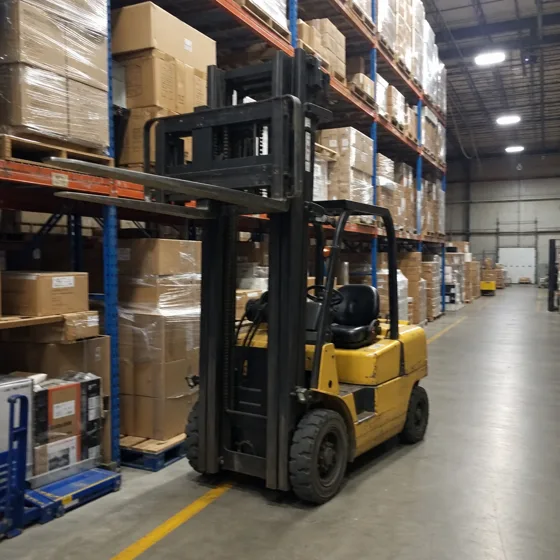
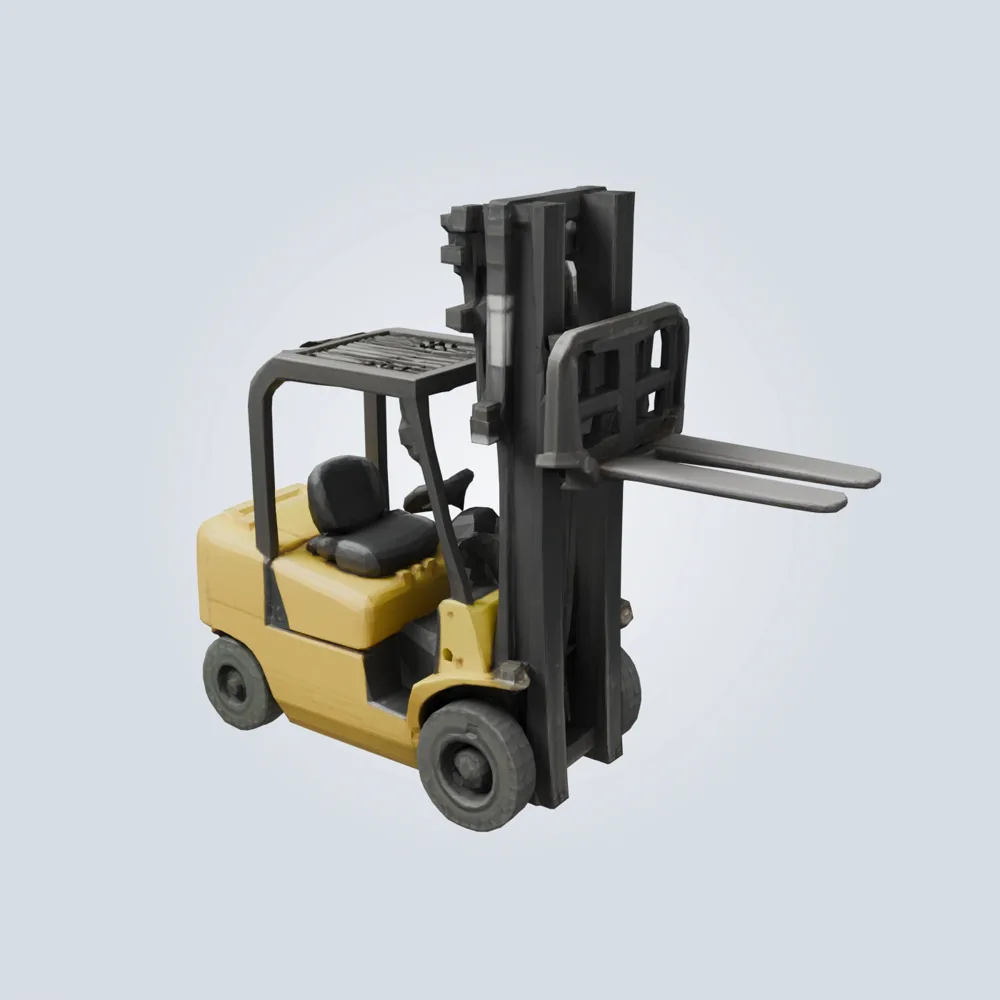
Forklift
Complex machinery holds together: the mast, forks, and cab all come through as separate readable parts.
 The upload
 The 3D model
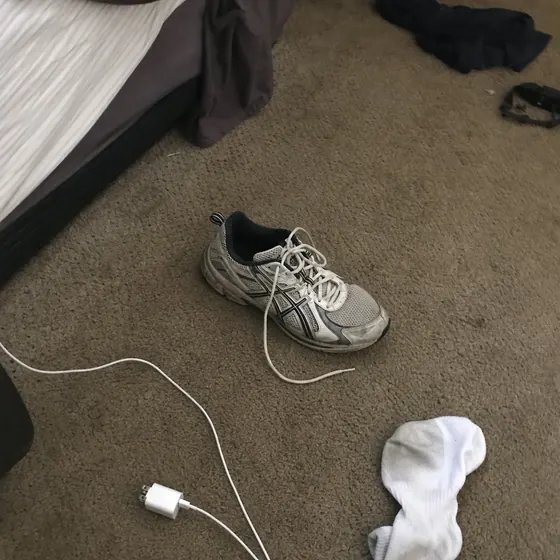
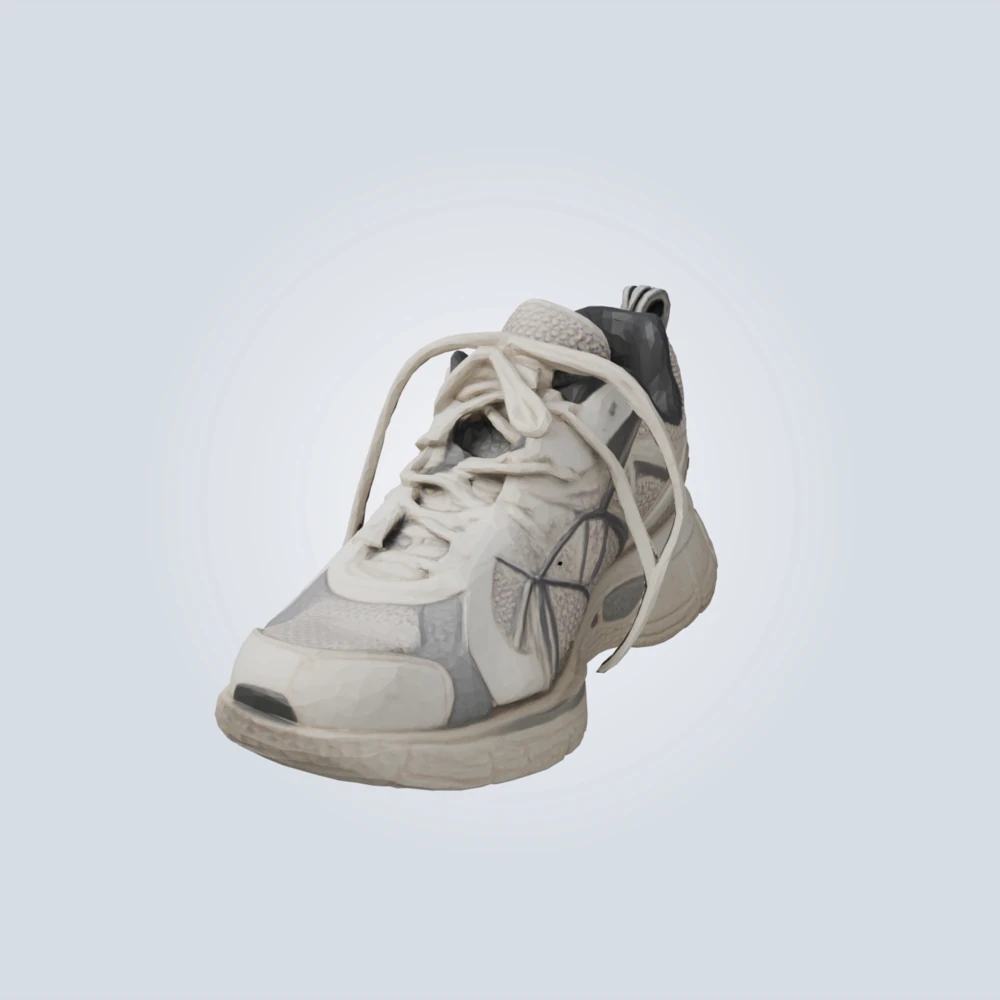
Sneaker
Soft-surface products work too: stitching, laces, and sole tread survive into the texture.
 The upload
 The 3D model
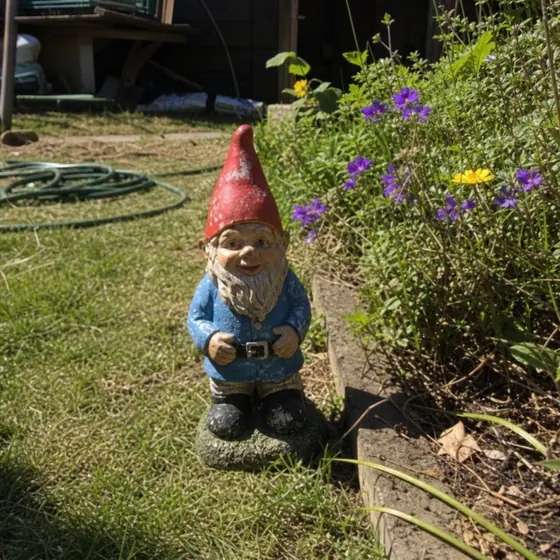
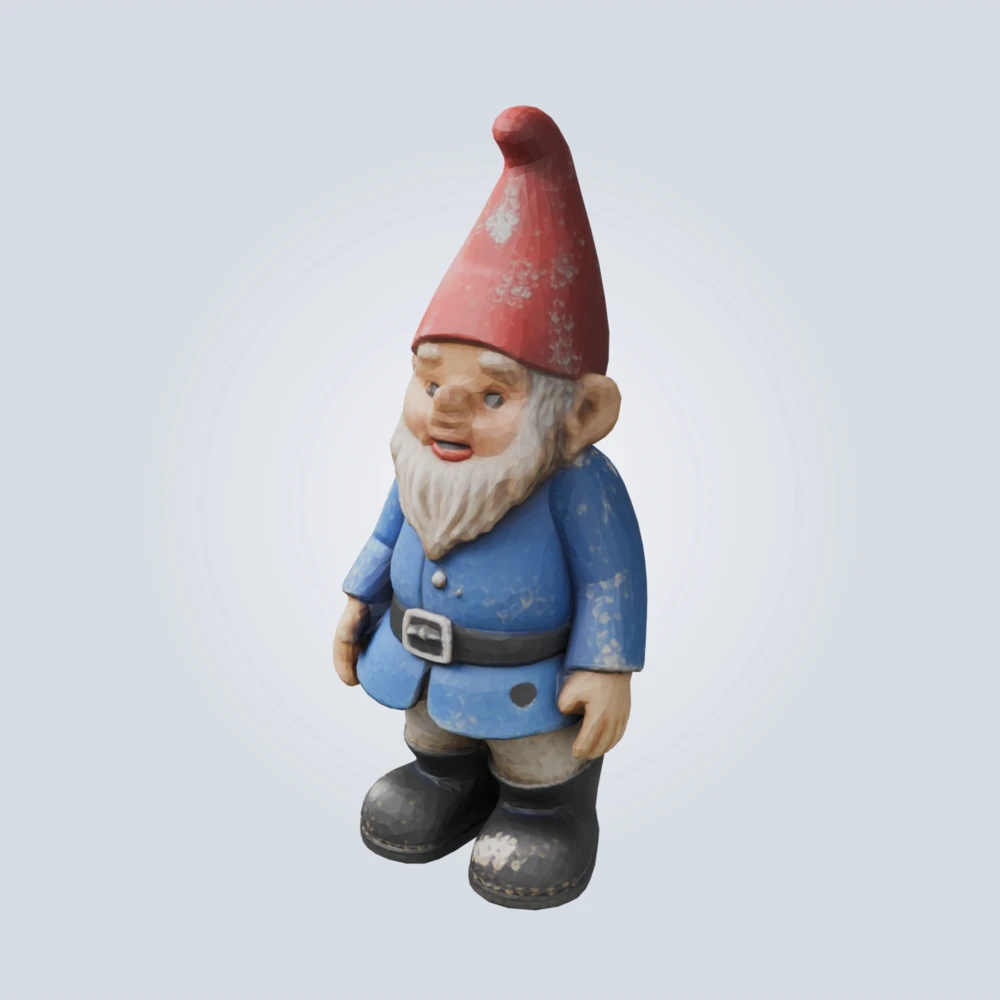
Garden Gnome
Figurines, statues, and plush toys are objects (you photographed the manufactured item), so they price at $0.25.
Characters, Pets and People
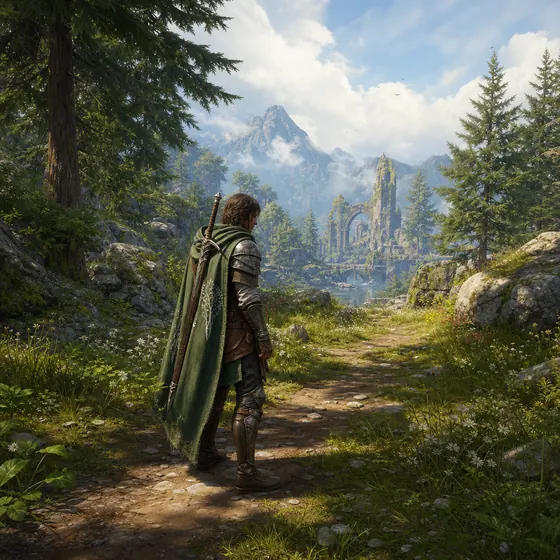
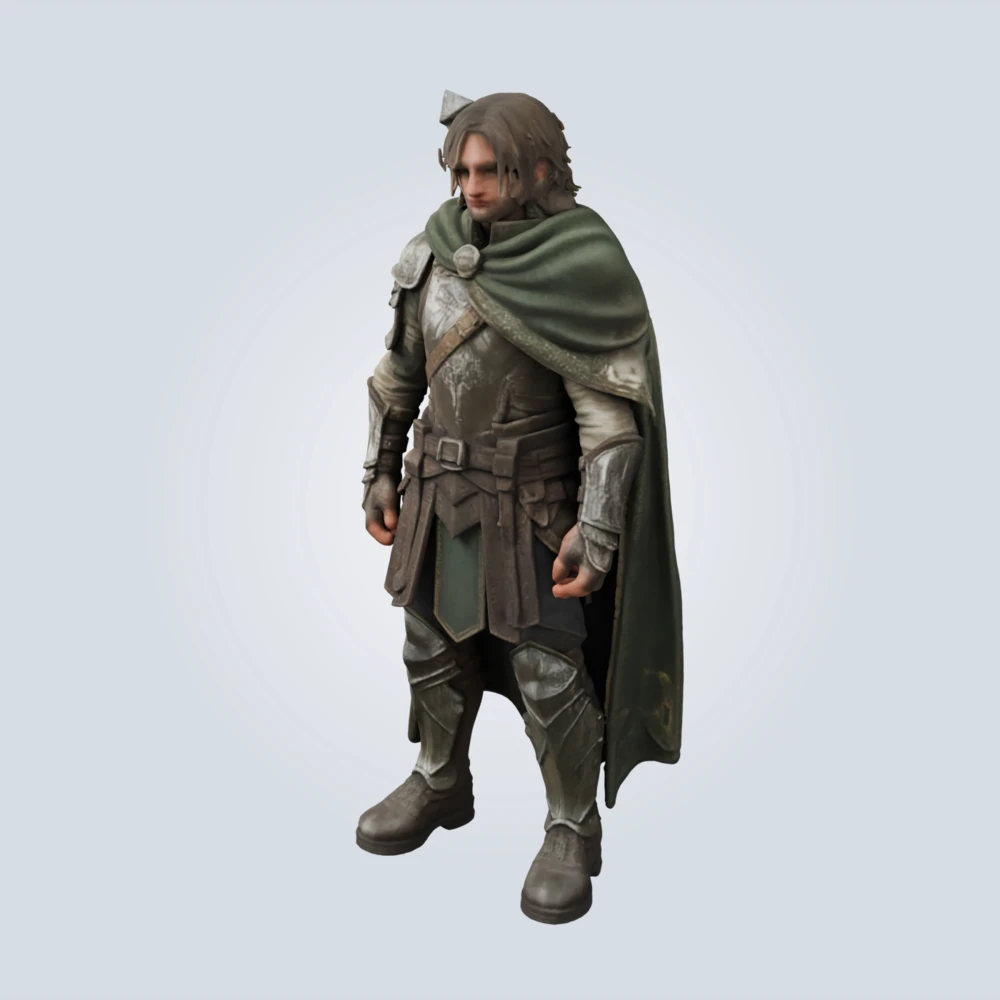
Living beings (people, pets, creatures, toons, game characters) get their own dedicated engines, chosen because they hold identity best: the face, the silhouette, the clothing and gear all stay recognizably yours. Game characters keep their game's rendering style instead of being "fixed" into photoreal humans.
 The upload
 The 3D model
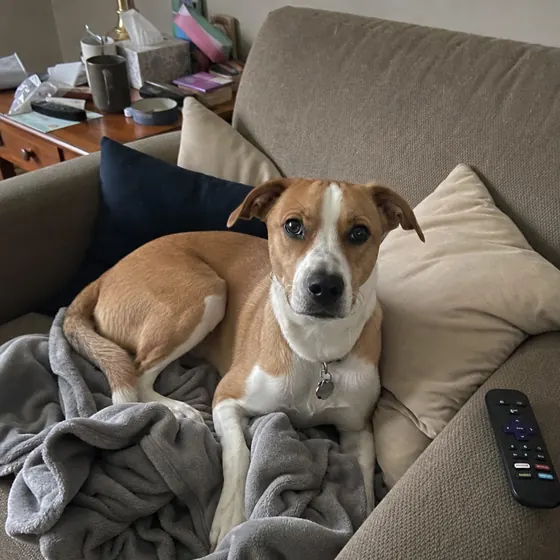
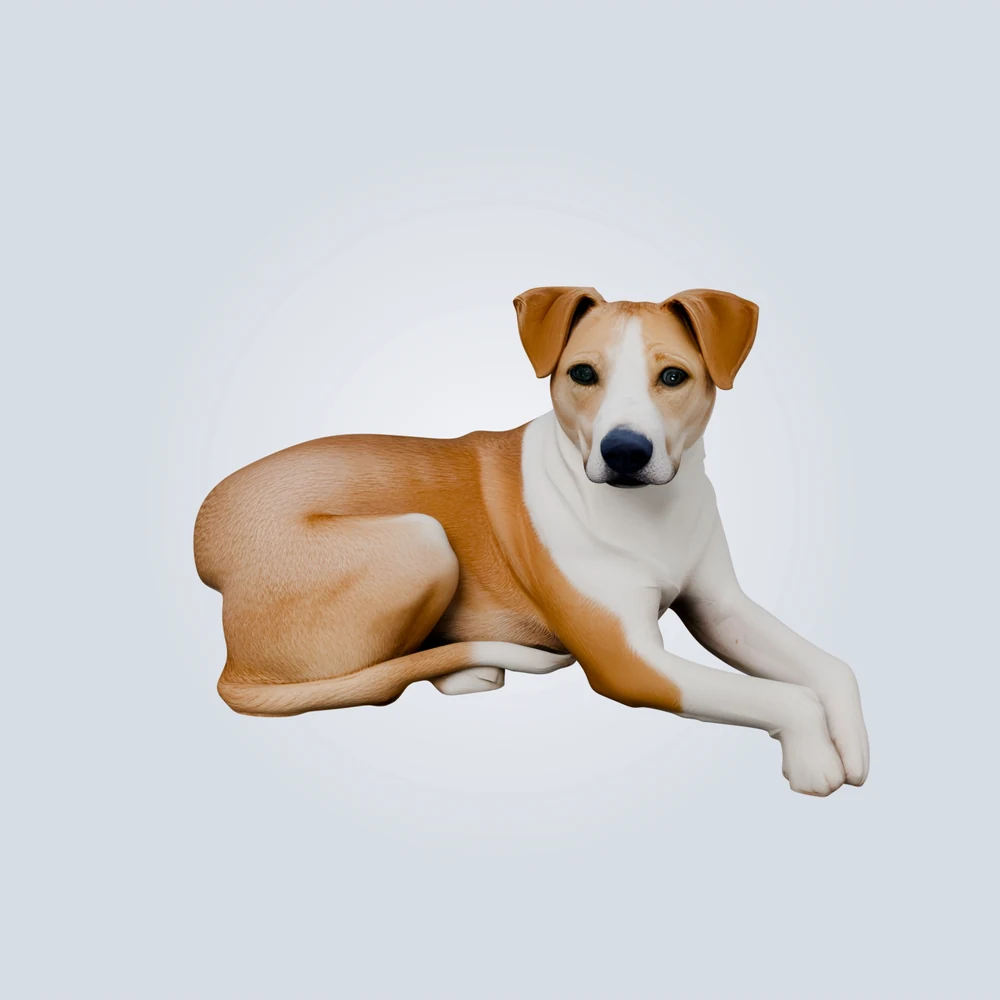
A Real Pet
An ordinary snapshot. The room disappears, the pose and markings stay: the model is recognizably this dog, not a generic one.
 The upload
 The 3D model
A Game Character
Straight from a screenshot. The stylized proportions and rendering are kept; nothing gets "corrected" toward realism.
The pose is preserved, not reinterpreted
A dog lying on the couch comes back lying down. A loafing cat stays in its loaf. We treat your subject like a statue and only move the camera, because re-posing a pet into a generic stance would make it a different pet.
A curled-up pose costs back-side detail
Keeping a lying or curled pose means the image shows less of the body, so the far side of the model is smoother and less defined than a standing subject's. That's the honest trade for keeping the pose you photographed. Whiskers and backlit stray fur are also deliberately understated, because thin bright strands reconstruct as spikes.
Drawings and Doodles
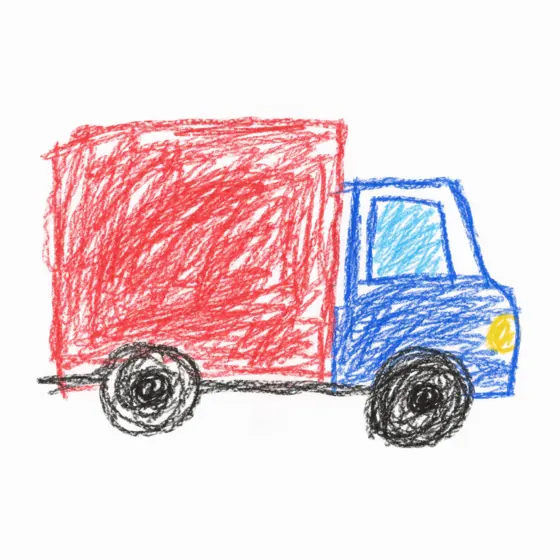
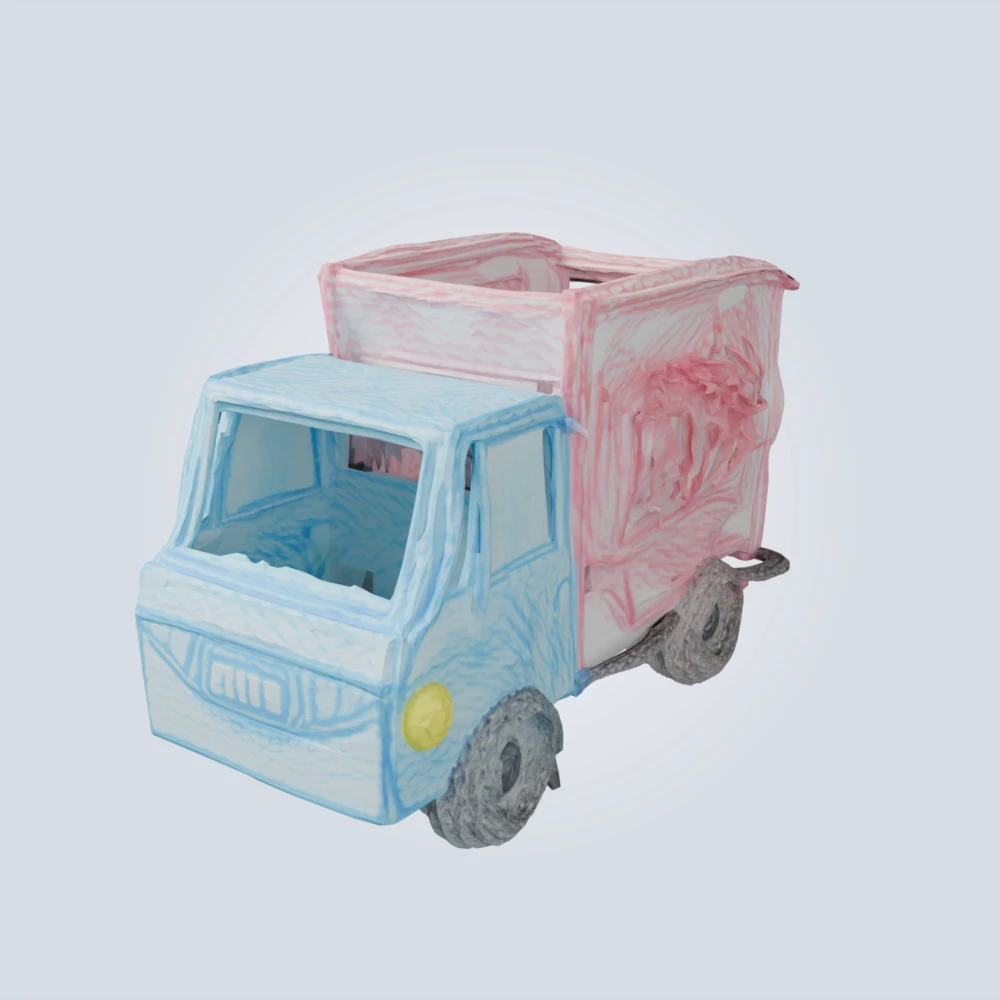
Hand-drawn art gets its own pipeline built around one promise: the strokes are never cleaned up, straightened, or "improved". We lift the drawing off the paper exactly as drawn (wobbles, gaps, crayon texture and all) and build the model from that. Drawings run on a different engine than characters, because engines with strong imaginations invent details a child never drew.
 The upload
 The 3D model
Crayon Truck
The wobbly outline and crayon fill are the point, and they survive the trip to 3D untouched.
 The upload
 The 3D model
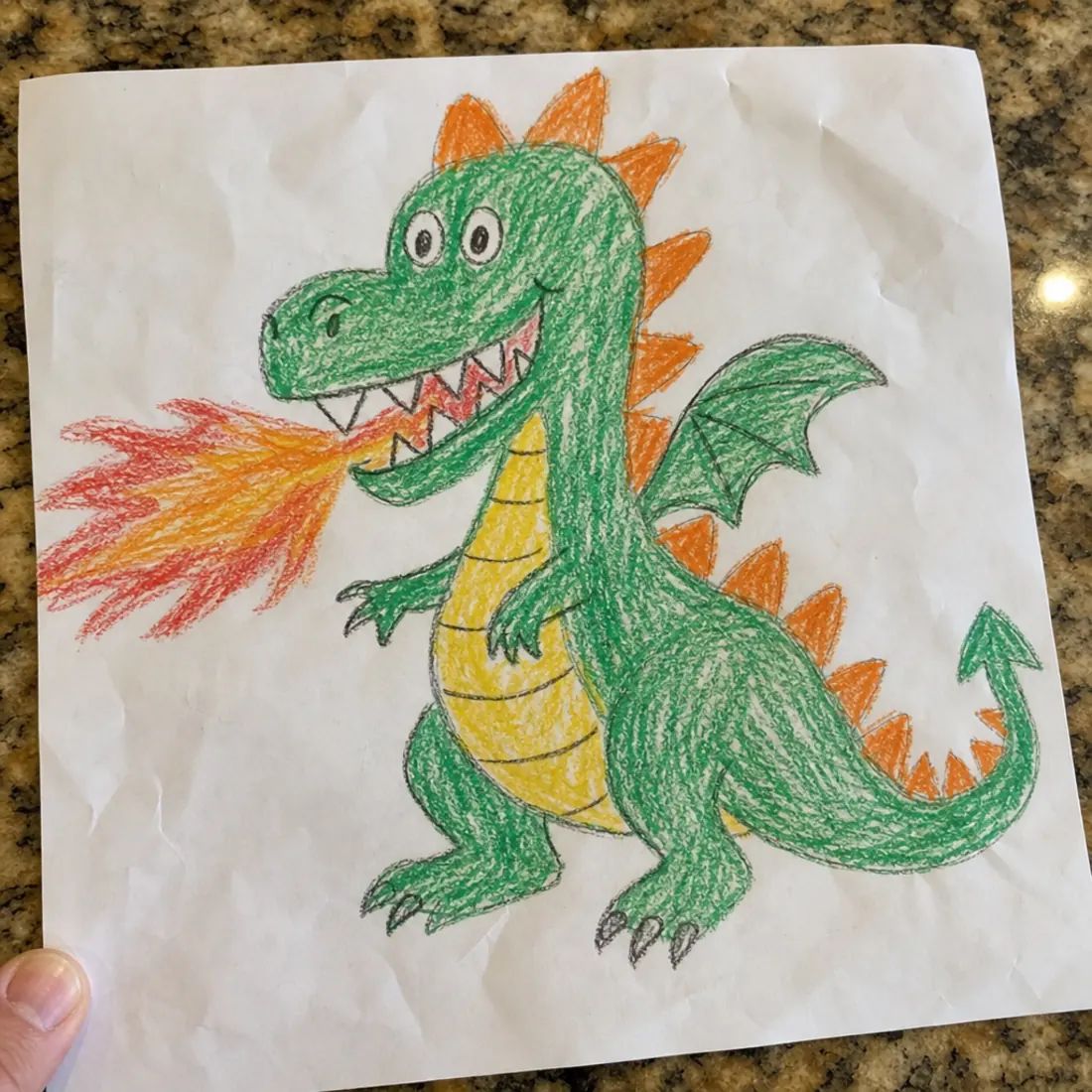
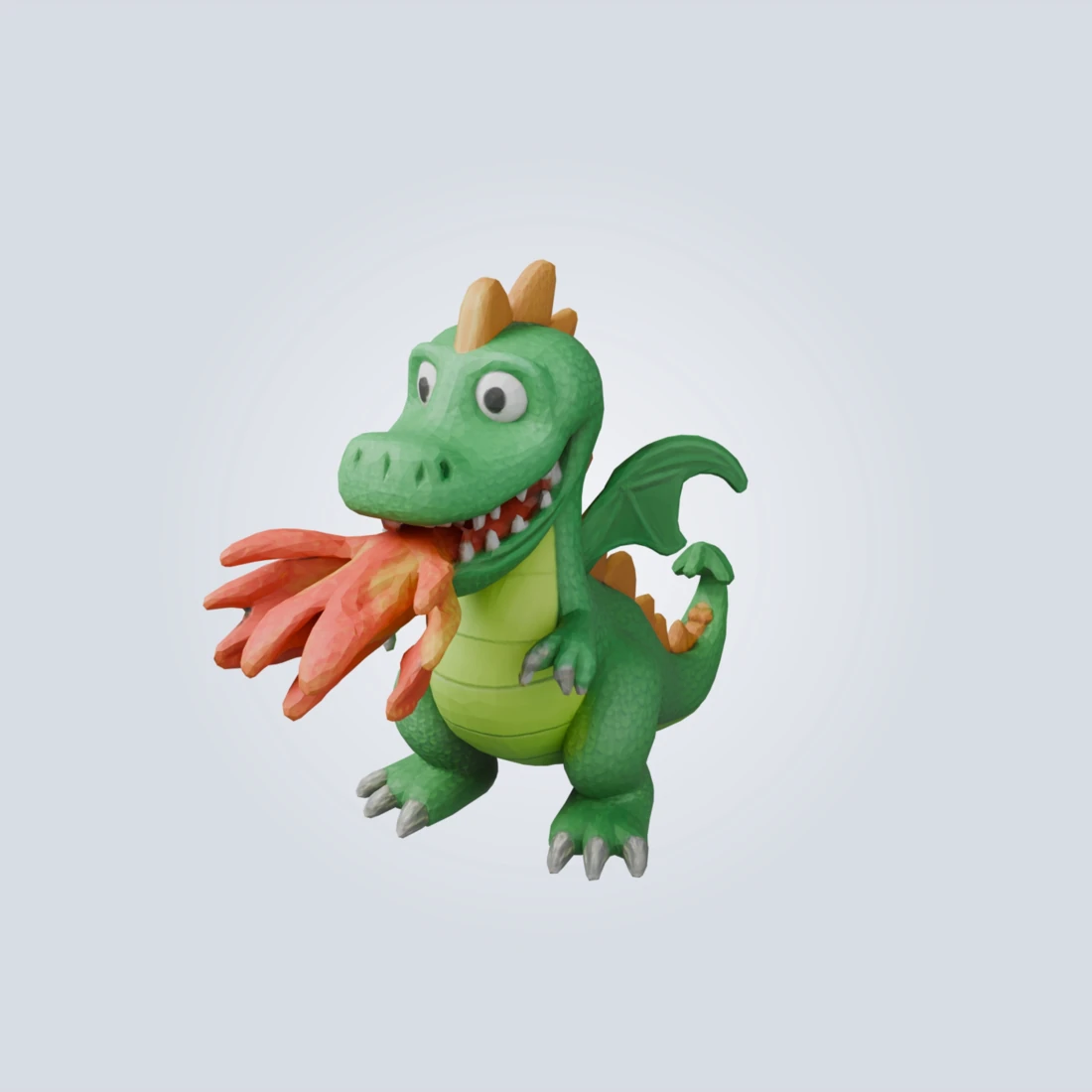
Marker Dragon
One bold, connected subject that fills the page is the ideal drawing. Anything drawn touching it (flames, a hat) comes along.
The drawing's own limits
Detached decorations (stars floating around a rocket, a sun in the corner, a name written on the page) can't join one 3D model, so only the main subject is kept. And very faint pencil is harder to pick up than bold marker or crayon; if a light sketch misses, tracing the outline in marker changes the result more than anything about the photo will.
The One Thing That Doesn't Work: No Subject
Restaging can fix any photo of a thing, but it can't invent a subject that isn't there. A landscape, a cityscape, or a wide empty room gives the pipeline nothing to isolate: there's no "it" to lift out and rebuild. If there's a clear foreground subject in the scene, that subject is what gets built. A compact diorama or a stylized scene that reads as one object works; a mountain range does not. If you want a piece of a scene, upload an image where that piece is the star.
Iterating is Cheap
Don't stop at the first result. Models start at $0.25, so trying a different image of the same subject, or the same image again, costs a quarter. And when a draft is close, move it up its ladder instead: $0.50 re-runs an object or a drawing on our heaviest engine, characters step up to $1.00 or $3.00. Same subject, better engine, saved as a new model with the original untouched.